
Mulch is one of the most valuable tools available for maintaining a healthy and attractive landscape. While many homeowners think of mulch simply as a decorative finishing touch, it provides numerous benefits that help protect plants, conserve moisture, and improve soil health. When properly installed and maintained, mulch can make a significant difference in the appearance and longevity of your landscape.
Understanding the advantages of mulching can help homeowners make informed decisions that support healthier lawns, flower beds, and shrubs throughout every season.
Conserving Moisture for Healthier Plants
One of the primary functions of mulch is to retain moisture in the soil. During hot summer months, evaporation can quickly dry out flower beds and surrounding plant material. A layer of mulch helps slow water loss and keeps the root systems of plants consistently hydrated.
By maintaining stable moisture levels, mulch reduces stress on trees, shrubs, and perennials. This is especially important during periods of drought or extreme heat when plants are more susceptible to damage.
Because the soil retains moisture more effectively, homeowners may also find that they need to water less frequently, which can contribute to lower water bills and more efficient landscape maintenance.
Suppressing Weed Growth
Weeds compete with desirable plants for water, nutrients, and sunlight. Left unchecked, they can quickly overwhelm flower beds and diminish the appearance of a landscape.
Mulch acts as a barrier that limits sunlight reaching weed seeds, reducing their ability to germinate and spread. While some weeds may still appear, a properly mulched landscape generally requires far less time spent pulling weeds and applying herbicides.
Maintaining a consistent mulch layer helps keep beds cleaner and allows plants to thrive without unnecessary competition.
Protecting Roots from Temperature Extremes
Indiana weather can bring dramatic temperature changes throughout the year. Mulch provides insulation that helps moderate soil temperatures during both summer and winter.
In the summer, mulch keeps roots cooler and protects plants from excessive heat. During the winter months, it helps prevent repeated freezing and thawing cycles that can damage root systems.
This insulation is particularly beneficial for newly planted trees, shrubs, and perennials that are still developing strong root structures.
Homeowners who work with a local Indianapolis landscaping company often receive guidance on selecting the proper mulch depth and materials based on the specific needs of their landscape.
Improving Soil Quality Over Time
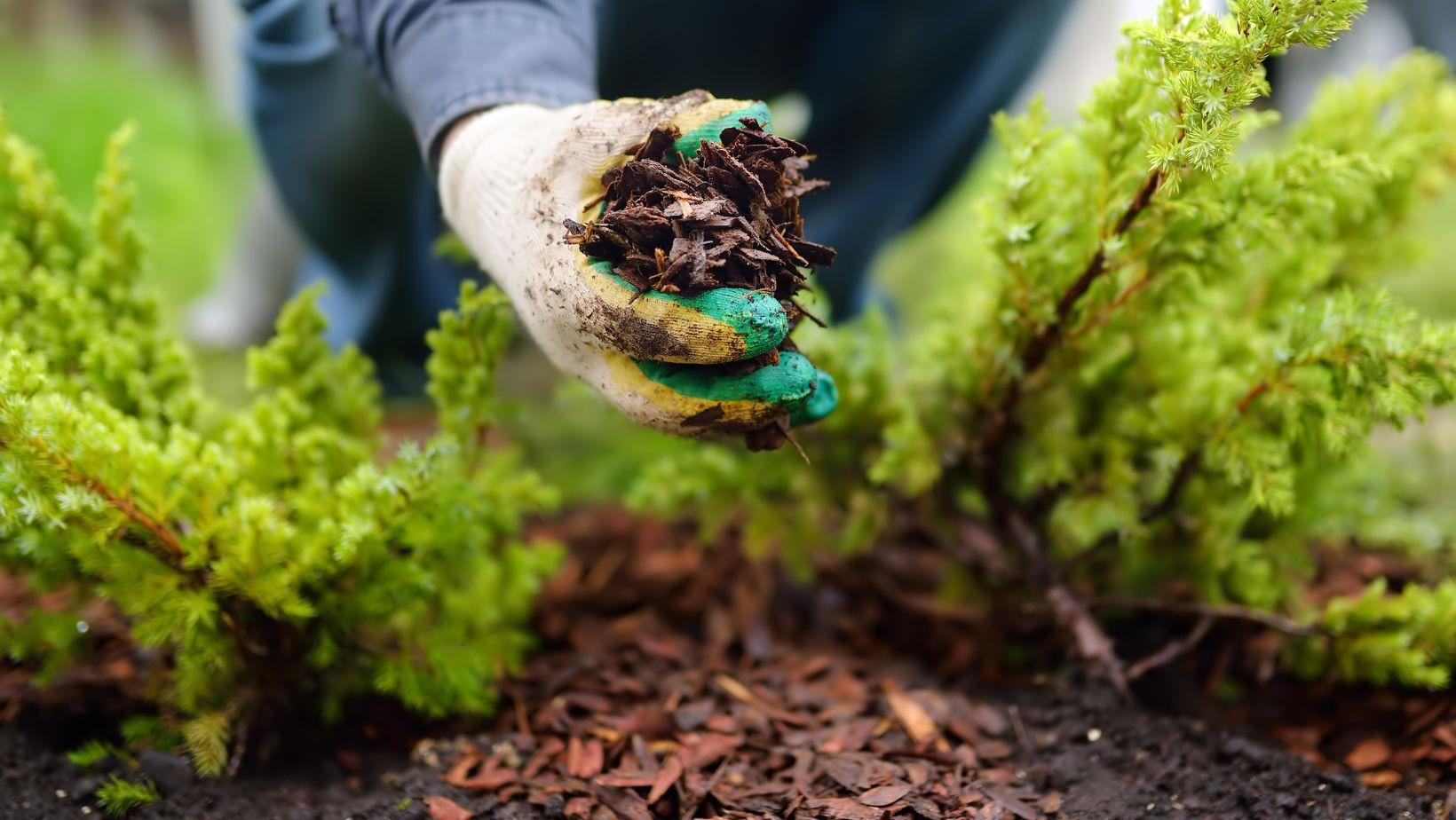
Organic mulch materials such as shredded hardwood, pine bark, and compost gradually break down over time. As this decomposition occurs, nutrients are returned to the soil, improving its structure and fertility.
Healthier soil promotes stronger root development and supports vigorous plant growth. Organic matter also enhances the soil's ability to hold water and nutrients, benefiting the entire landscape.
Regular replenishment of mulch allows homeowners to continually improve the quality of their planting beds while maintaining a fresh and polished appearance.
Reducing Soil Erosion
Heavy rain and strong winds can cause soil erosion, especially on sloped areas or newly planted beds. Mulch helps stabilize the soil and minimizes runoff by absorbing the impact of rainfall.
Preventing erosion helps protect plant roots and keeps valuable nutrients from washing away. This added protection contributes to a more sustainable landscape and reduces the need for costly repairs or replanting.
Enhancing Curb Appeal
Beyond its practical benefits, mulch significantly improves the overall appearance of a property. Fresh mulch creates a clean, finished look that highlights flowers, shrubs, and landscape features.
Different mulch colors and textures allow homeowners to customize their landscape design and complement the style of their home. Dark hardwood mulch, for example, provides strong contrast that can make plants and flowers stand out more vividly.
Maintaining fresh mulch each year can dramatically improve curb appeal and leave a positive impression on visitors and potential buyers.
Choosing the Right Mulch
Several types of mulch are available, each offering unique advantages. Shredded hardwood mulch is popular for its natural appearance and durability. Pine bark mulch provides excellent drainage and works well around acid-loving plants. Compost-based mulches add nutrients to the soil and support healthy growth.
The ideal choice depends on factors such as plant varieties, drainage conditions, and personal preferences. Applying mulch at the proper depth—typically two to three inches—helps maximize its benefits while avoiding problems associated with excessive buildup.
A Simple Investment with Long-Term Rewards
Mulching is one of the simplest and most cost-effective ways to improve the health and beauty of your landscape. From conserving moisture and suppressing weeds to protecting roots and enriching the soil, mulch provides year-round benefits that support a thriving outdoor environment.
With regular maintenance and proper application, homeowners can enjoy healthier plants, reduced maintenance requirements, and an attractive landscape that enhances the value and enjoyment of their property for many years to come.