Freshwater aquatic plants are the unsung heroes of our watery worlds. They’re not just pretty faces swaying in the current; they’re the ultimate multitaskers. These green wonders provide oxygen, filter pollutants, and create cozy homes for fish and critters alike. Who knew that a little greenery could pack such a punch?
Imagine a vibrant underwater garden where fish frolic and turtles take selfies. Freshwater plants add beauty and balance to any aquatic ecosystem, making them essential for both nature lovers and aquarium enthusiasts. Whether it’s the delicate lily pads or the feisty hornwort, these plants bring life to the party. Dive in and discover how these aquatic gems can transform any body of water into a thriving paradise.
Freshwater Aquatic Plants
Freshwater aquatic plants play a crucial role in maintaining ecological balance. These plants thrive in rivers, lakes, ponds, and wetlands, adapting to various water conditions. They contribute significantly to aquatic ecosystems by providing oxygen through photosynthesis. Nutrient cycling occurs as these plants absorb excess nutrients, preventing harmful algal blooms.
Habitat creation is another vital function of freshwater aquatic plants. Species such as water lilies and cattails offer shelter and breeding grounds for fish and invertebrates. The diversity of plant life in freshwater environments supports various animal species, enhancing biodiversity.
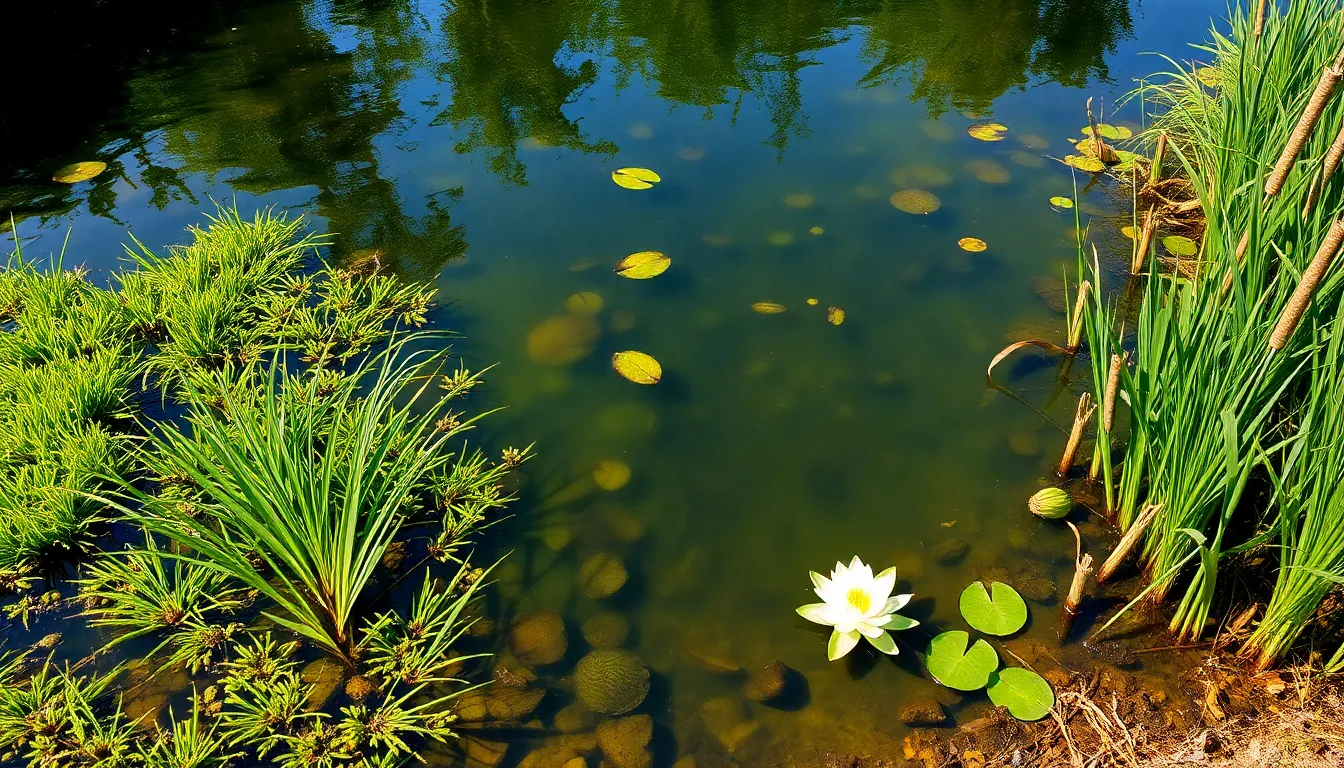
Some common types of freshwater aquatic plants include emergent, floating, and submerged plants. Emergent plants, like bulrushes, grow above water, while floating plants, such as duckweed, float on the surface. Submerged plants, including eelgrass, grow entirely underwater, creating underwater landscapes essential for aquatic life.
Freshwater aquatic plants also improve water quality. They filter pollutants, trapping sediments and heavy metals, thus aiding in water clarity. Additionally, these plants stabilize shorelines, reducing erosion and protecting aquatic habitats.
Recognizing the importance of freshwater aquatic plants fosters a greater appreciation for their ecosystems. Conservation efforts aim to protect these vital plants from habitat destruction and pollution. Engaging the community in the conversation about preserving freshwater ecosystems highlights the interdependence between aquatic plants and the health of aquatic life.
Types of Freshwater Aquatic Plants
Freshwater aquatic plants exist in three primary categories: submerged, emergent, and floating. Each type contributes uniquely to the ecosystem.
Submerged Plants
Submerged plants grow entirely underwater, providing essential habitat for fish and invertebrates. Species like eelgrass and coontail thrive in various water conditions. These plants absorb nutrients from the water and produce oxygen through photosynthesis. Aquatic life relies on them for shelter and breeding grounds, fostering a rich biodiversity. Furthermore, submerged plants stabilize sediment and reduce water turbidity, thereby enhancing water clarity.
Emergent Plants
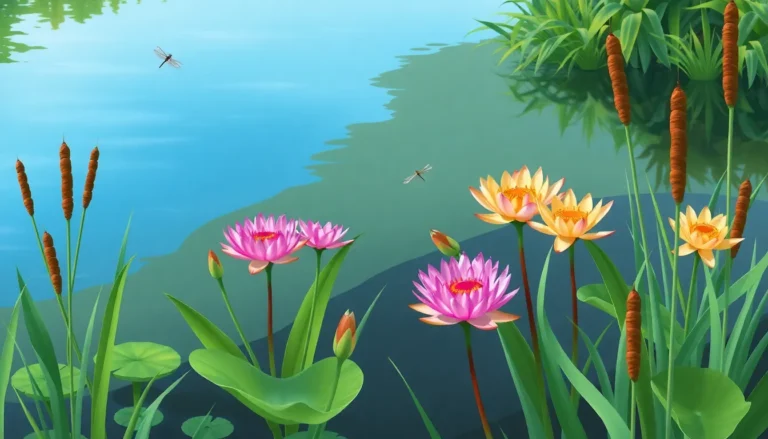
Emergent plants grow partially above the water’s surface, with roots submerged and stems rising above. Cattails and bulrushes are common examples. These plants create vital habitats along shorelines, offering nesting sites for birds and refuge for small animals. Their extensive root systems filter pollutants, improving water quality. Emergent plants also prevent soil erosion and stabilize banks, contributing to a healthy aquatic environment. By providing shade, they help regulate temperature, supporting various aquatic species.
Floating Plants
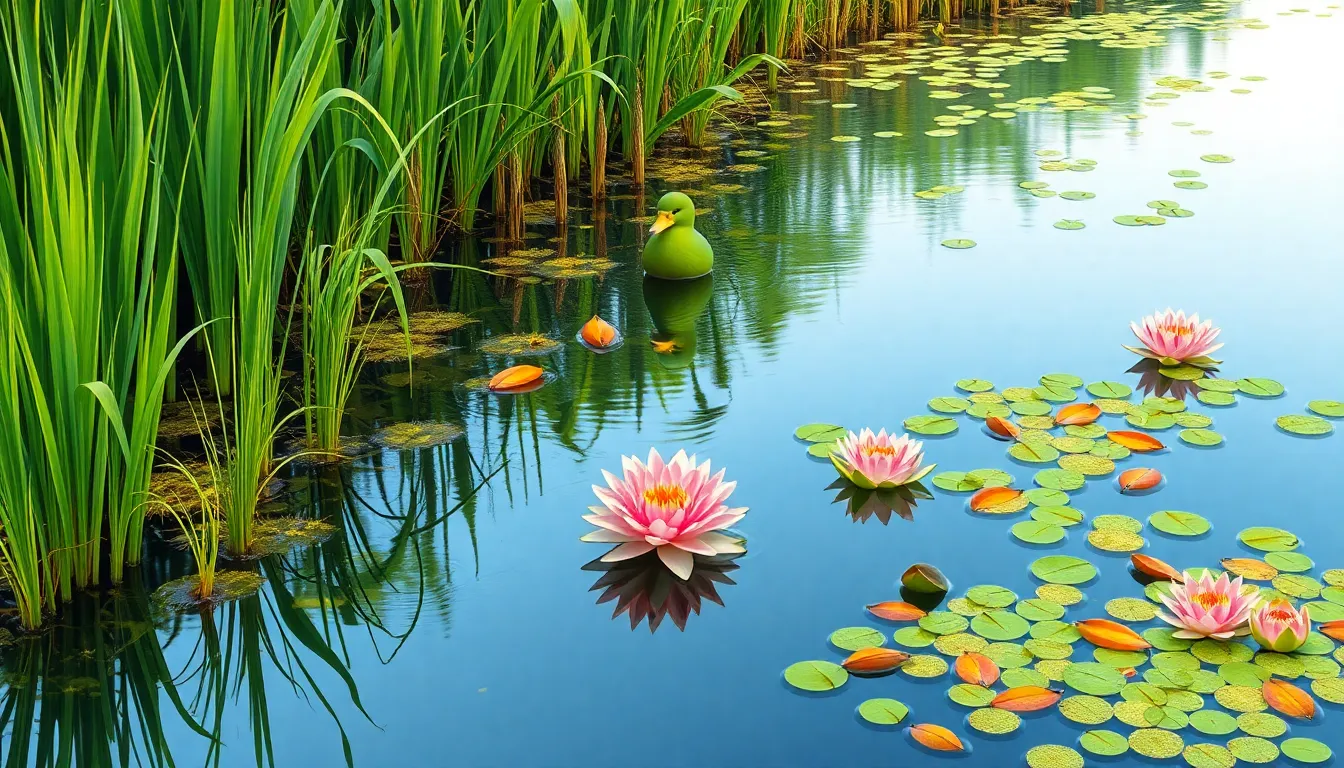
Floating plants reside on the water’s surface, with roots hanging in the water below. Water lilies and duckweed exemplify this category. These plants provide shade, reducing water temperature and limiting algal blooms. Floating plants absorb excess nutrients, helping maintain balance in aquatic ecosystems. Their presence offers shelter and food for wildlife, such as insects and small fish. By promoting water circulation, these plants support overall ecosystem health and biodiversity.
Benefits of Freshwater Aquatic Plants
Freshwater aquatic plants offer numerous advantages that support both ecological health and visual appeal.
Ecological Contributions
These plants improve ecosystem stability. They provide essential oxygen through photosynthesis, benefiting aquatic life. Freshwater aquatic plants also filter pollutants from the water, enhancing overall water quality. Stabilizing sediments prevents erosion, which maintains shoreline integrity. They supply habitats for various fish, invertebrates, and other aquatic organisms, boosting biodiversity. Nutrient cycling occurs more efficiently due to these plants, reducing harmful algal blooms and ensuring balanced ecosystems.
Aesthetic Value
The aesthetic appeal of freshwater aquatic plants enhances scenic beauty. They create visually pleasing underwater landscapes, drawing in local communities and visitors. Colorful flowers and lush foliage contribute to attractive surroundings. These plants provide shade, lowering water temperatures for enhanced recreational enjoyment. Including a diverse range of aquatic plants in ponds or lakes promotes serene environments, making recreational sites more inviting. This visual diversity supports overall enjoyment of freshwater ecosystems, attracting wildlife and people alike.
Cultivation and Care
Cultivating freshwater aquatic plants requires attention to specific growing conditions and regular maintenance. Healthy plants contribute significantly to aquatic ecosystems.
Ideal Growing Conditions
Freshwater aquatic plants thrive in various conditions. Temperature ranges between 65°F and 75°F favor most species. Light levels play a crucial role; moderate sunlight promotes growth, while excessive shade inhibits it. Water depth also influences plant types; submerged plants prefer depths between 1 and 4 feet, whereas emergent plants grow best in shallower areas. Nutrient-rich environments support healthy growth; substrate should contain organic matter to provide essential nutrients. Regularly testing water quality ensures pH levels between 6.5 and 8 for optimal health.
Maintenance Tips
Regular maintenance is essential for thriving aquatic plants. Trimming overgrown plants maintains aesthetic appeal and prevents competition for nutrients. Monitoring and adjusting water levels help maintain suitable environments; a drop in water can expose roots and negatively affect growth. Removing debris and dead plant matter prevents the buildup of harmful bacteria. Regularly testing for algae growth helps manage water quality; controlling excess nutrients can prevent blooms. Fertilizers specifically designed for aquatic plants provide necessary nutrients during growing seasons.
Common Freshwater Aquatic Plants
Submerged plants thrive entirely underwater. Eelgrass, a popular choice, provides essential habitat for fish and stabilizes sediment. Coontail enhances water clarity and supports aquatic ecosystems.
Emergent plants grow partially above the water’s surface. Cattails create vital habitats for birds and small mammals while filtering pollutants and preventing soil erosion. Bulrushes serve a similar purpose, adding structural diversity to aquatic environments.
Floating plants rest on the water’s surface. Water lilies provide shade, reducing water temperature and promoting a healthier habitat for fish. Duckweed absorbs excess nutrients, helping maintain ecosystem balance and preventing harmful algal blooms.
These plants contribute significantly to water quality, improving clarity and reducing runoff. Each type supports biodiversity and plays a role in nutrient cycling. A diverse population of freshwater aquatic plants can stabilize ecosystems and enhance aesthetic appeal.
Cultivation of these plants requires specific conditions. Ideal water temperatures range between 65°F and 75°F. Moderate sunlight enables healthy growth, while nutrient-rich substrates promote vitality. Regular maintenance, such as trimming overgrowth and monitoring water levels, enhances plant health.
Testing for algae growth remains essential in maintaining vibrant underwater landscapes. Utilizing fertilizers designed for aquatic plants during their growing seasons supports their contribution to ecosystems. By nurturing these plants, enthusiasts can foster rich environments that benefit both aquatic life and human enjoyment.
Conclusion
Freshwater aquatic plants are vital to the health and beauty of aquatic ecosystems. Their ability to provide oxygen and filter pollutants underscores their importance in maintaining ecological balance. By nurturing these plants, individuals can contribute to healthier water bodies and enhanced biodiversity.
The diversity of these plants—submerged, emergent, and floating—ensures that various ecological roles are fulfilled. Each type offers unique benefits that support aquatic life and improve water quality.
As communities recognize the aesthetic and ecological value of freshwater aquatic plants, conservation efforts become increasingly essential. Protecting these plants not only safeguards aquatic habitats but also enriches human experiences with nature.
Zane Hayes
Zane Hayes
A natural innovator in sustainable gardening practices, Zane Hayes brings a refreshing perspective to urban and small-space gardening solutions. His practical approach focuses on helping readers maximize their growing potential through creative space utilization and eco-friendly techniques. Zane's articles explore vertical gardening, container optimization, and resource-efficient growing methods.
Driven by a passion for making gardening accessible to everyone, Zane specializes in beginner-friendly guides and problem-solving content. His writing style combines clear, actionable advice with encouraging insights that inspire readers to experiment and grow with confidence.
When not writing or tending to his own compact garden sanctuary, Zane enjoys botanical photography and exploring local community gardens for fresh ideas and inspiration. His authentic, solution-oriented approach resonates with urban gardeners and space-conscious plant enthusiasts looking to create their own green havens.
Areas of Focus:
- Urban gardening solutions
- Space-saving growing techniques
- Container and vertical gardening
- Sustainable growing practices
- Plant problem-solving guides