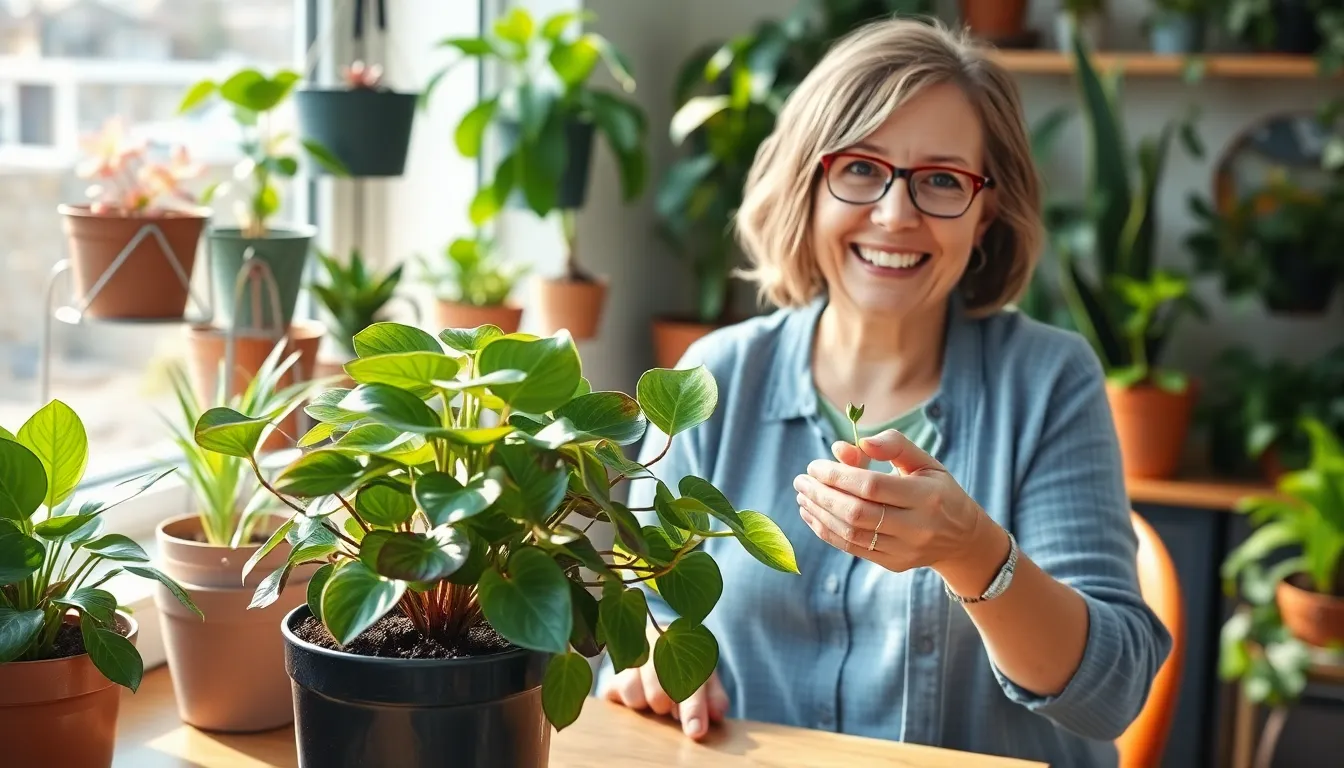
The wandering jew plant is like that friend who shows up uninvited but somehow makes every gathering better. With its vibrant leaves and easy-going nature, it’s no wonder this plant has found a permanent spot in so many homes. But what if there was a way to multiply that joy? Propagating this beauty is not just a green thumb’s dream; it’s a delightful adventure that anyone can embark on.
Wandering Jew Plant Propagation
The wandering jew plant captivates with its vibrant, colorful leaves and resilient nature. This adaptability contributes to its popularity in home decor.
Characteristics of Wandering Jew Plant
Wandering jew plants thrive in various conditions. They feature heart-shaped leaves that can showcase green, purple, and silver colors. Growth typically occurs rapidly, leading to cascading vines that add visual appeal. These plants prefer bright, indirect sunlight but tolerate lower light levels. Humidity levels also play a role in their health, as they flourish in moist environments. Regular watering prevents their soil from drying out completely, promoting optimal growth.
Common Varieties
Numerous varieties of wandering jew plants exist, each with distinct characteristics. Tradescantia zebrina presents bold stripes of silver and green, while Tradescantia pallida offers striking purple foliage. Another popular choice is Tradescantia fluminensis, known for its lush green leaves. The variety Tradescantia albiflora exhibits a unique blend of green and white shades. Choosing from these diverse options allows gardeners to create stunning displays that suit their aesthetic preferences.
Propagation Methods
Wandering jew plants propagate easily through various methods. Two popular techniques include stem cuttings and division.
Stem Cuttings
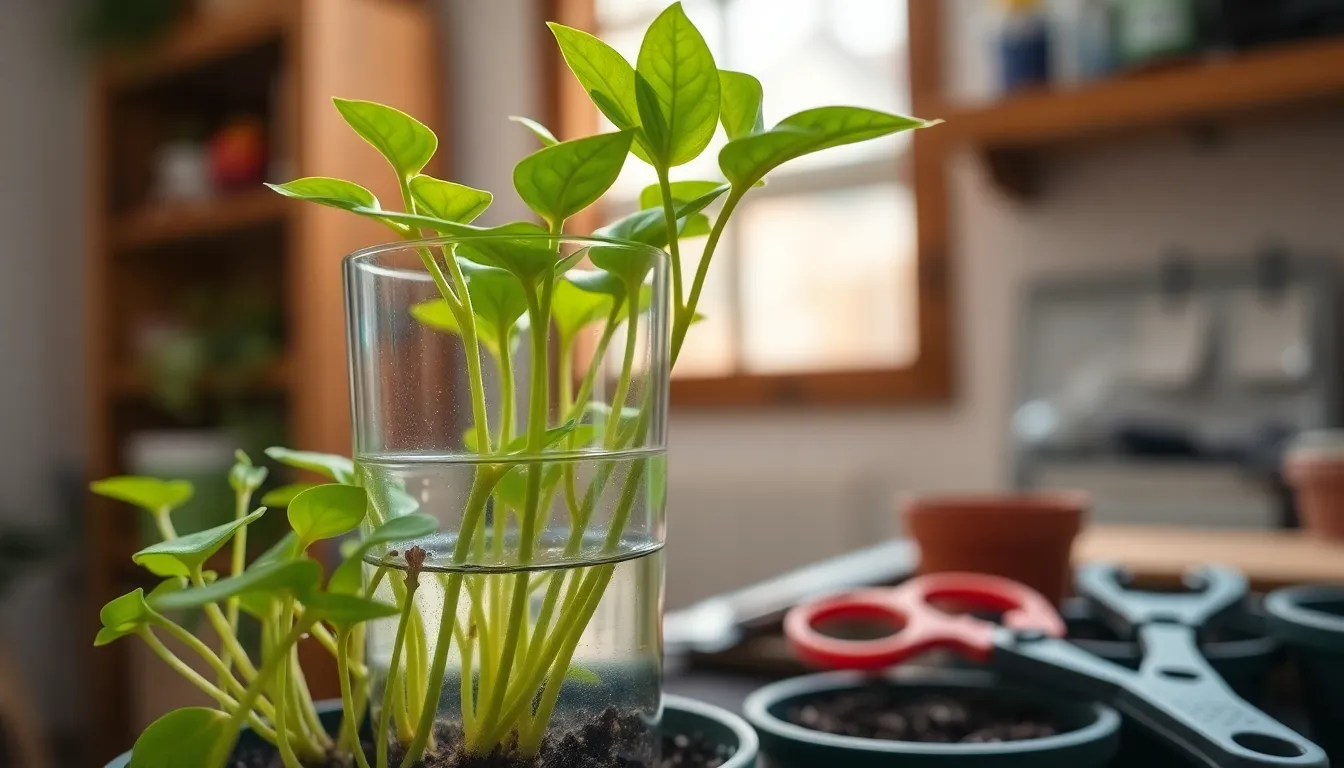
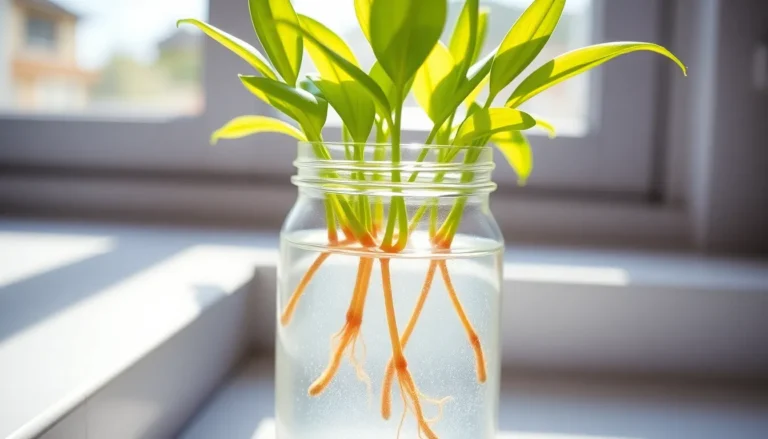
Stem cuttings serve as a straightforward propagation method. To start, select a healthy, non-flowering stem. Cut about four to six inches below a node, ensuring you have at least two sets of leaves. Place the cut end in a glass of water or directly into moist potting soil. Roots typically develop within one to two weeks. During this time, keep the cutting in a warm area with indirect sunlight. Once the roots reach one to two inches, transplant it into a permanent pot.
Division
Division offers another effective way to propagate wandering jew plants. Begin by removing the entire plant from its pot. This step allows for easier access to the root system. Next, gently separate the root ball into two or more sections, ensuring each section includes healthy roots and stems. Replant each division in its own pot with fresh soil. Water it thoroughly after planting. Observing the plant’s growth will reveal that it thrives in its new environment within a few weeks.
Ideal Conditions for Propagation
Wandering jew plant propagation thrives under specific conditions that promote healthy growth. Understanding light, soil, and watering needs makes the process successful.
Light Requirements
Bright, indirect light serves as the ideal condition for wandering jew plant propagation. This variety adapts well to moderate lighting but flourishes with more light. Too much direct sunlight can scorch the leaves, resulting in damage. Observing how leaves respond can provide insight; vibrant colors typically indicate sufficient light. Place the plant near a window with filtered light for the best results. If light levels are inadequate, consider supplemental artificial lighting to ensure healthy leaf development.
Soil and Watering Needs
Well-draining potting soil is essential for wandering jew plants. A mix containing peat, perlite, and orchid bark offers excellent drainage while retaining moisture. Watering should balance; allow the top inch of soil to dry before adding more moisture. Overwatering can lead to root rot, a common issue among houseplants. Early signs of wilting indicate a need for hydration. It’s important to use room temperature water to avoid shocking the plant during propagation, promoting better growth.
Care After Propagation
Caring for a wandering jew plant after propagation ensures healthy growth and lush foliage. Providing the right environment and consistent maintenance fosters development.
Transplanting Tips
Transplant the new cuttings or divisions when roots reach about two inches long. Choosing a pot that allows for adequate drainage is essential to prevent root rot. Selecting a container slightly larger than the root ball promotes healthy growth. When placing the plant in soil, ensure the root ball sits at the same depth as before propagation. Keeping the soil moist but not soggy encourages further root development. Acclimatize the plant gradually to its new environment to prevent shock.
Maintenance Practices
Regularly checking moisture levels in the soil promotes thriving plants. Allow the top inch of soil to dry before watering; this prevents overwatering. Providing bright, indirect light supports vibrant leaf coloration. Fertilizing every four to six weeks with a balanced houseplant fertilizer enhances growth during the growing season. Pruning excess growth encourages bushier plants, adding visual interest. Inspecting for pests regularly ensures the plant remains healthy and vigorous.
Potential Challenges
Propagation of the wandering jew plant can involve challenges that require attention for successful growth.
Common Pests and Diseases
Pests such as spider mites, mealybugs, and aphids often affect wandering jew plants. Infestations may lead to yellowing leaves and stunted growth. Diseases like root rot can result from overwatering, leading to a decline in plant health. Regular inspection for tiny creatures on leaves and stems helps in early detection. Implementing insecticidal soap or neem oil proves effective for pest management. It’s crucial to maintain good air circulation to reduce the risk of fungal infections.
Troubleshooting Growth Issues
Growth issues frequently arise due to insufficient light or poor soil conditions. Lack of bright, indirect light can cause leggy growth and fading leaf color. Adjusting the plant’s positioning to receive adequate sunlight often remedies this issue. If the soil retains too much moisture, altering the watering schedule or improving drainage may help. Additionally, yellowing leaves may indicate nutrient deficiencies. Applying a balanced fertilizer every four to six weeks supports robust growth and vibrant foliage.
Conclusion
Wandering jew plant propagation offers a rewarding experience for both novice and seasoned gardeners. By utilizing simple methods like stem cuttings and division, anyone can expand their collection and enjoy the plant’s beauty in multiple locations.
With the right care and attention to light, soil, and watering needs, new plants can flourish, enhancing any space with their vibrant foliage. Regular maintenance and pest management are crucial for keeping the plants healthy and thriving.
Embracing this propagation journey not only nurtures the wandering jew plant but also fosters a deeper connection to gardening and nature.
Zane Hayes
Zane Hayes
A natural innovator in sustainable gardening practices, Zane Hayes brings a refreshing perspective to urban and small-space gardening solutions. His practical approach focuses on helping readers maximize their growing potential through creative space utilization and eco-friendly techniques. Zane's articles explore vertical gardening, container optimization, and resource-efficient growing methods.
Driven by a passion for making gardening accessible to everyone, Zane specializes in beginner-friendly guides and problem-solving content. His writing style combines clear, actionable advice with encouraging insights that inspire readers to experiment and grow with confidence.
When not writing or tending to his own compact garden sanctuary, Zane enjoys botanical photography and exploring local community gardens for fresh ideas and inspiration. His authentic, solution-oriented approach resonates with urban gardeners and space-conscious plant enthusiasts looking to create their own green havens.
Areas of Focus:
- Urban gardening solutions
- Space-saving growing techniques
- Container and vertical gardening
- Sustainable growing practices
- Plant problem-solving guides